



Phase 3 – Section 1 – P3.1.4
ISOv8® by ContainerKing® - Real-World Product ExamplesStudios and Work Rooms
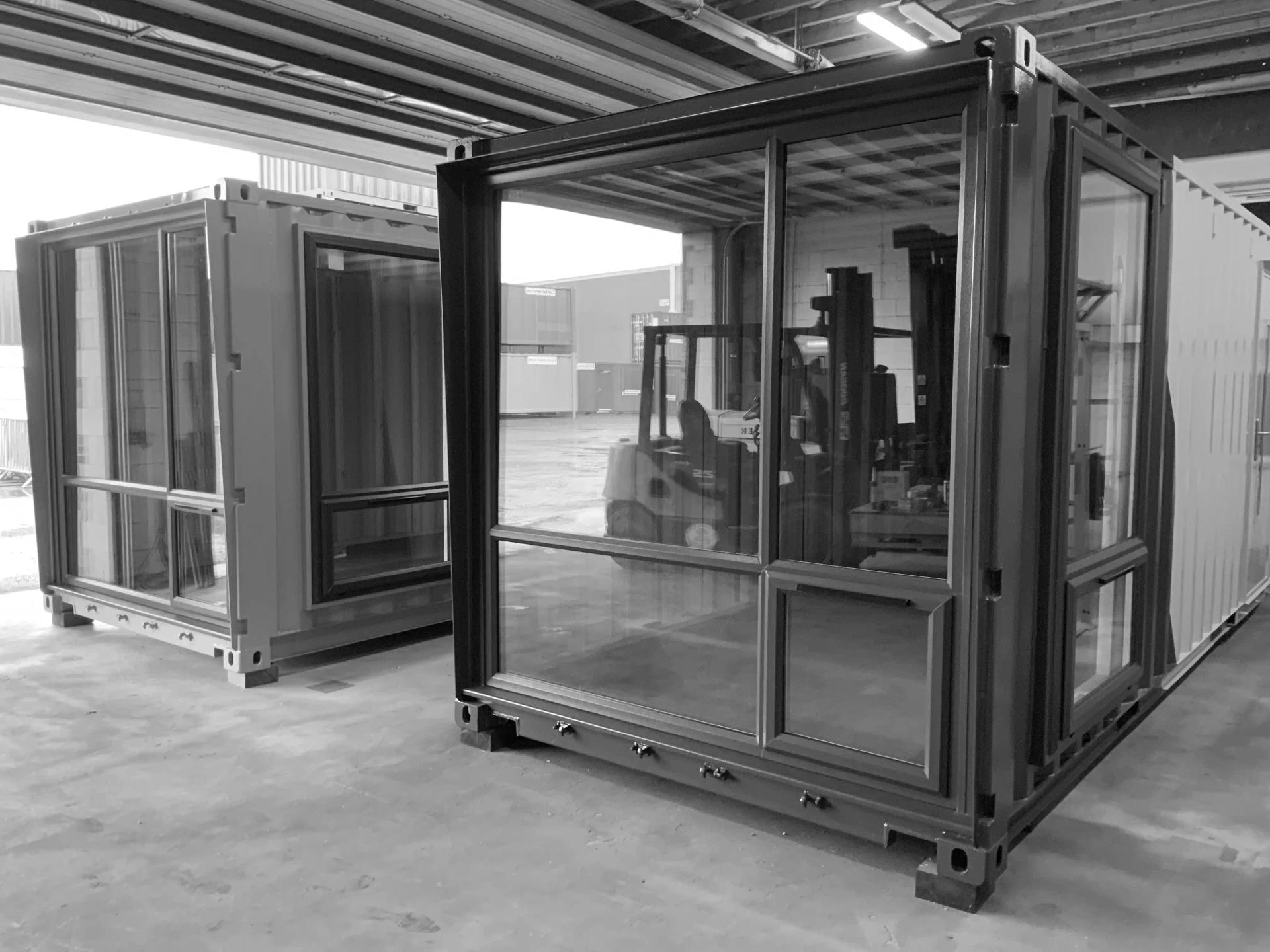
Studio buildings designed for practical, comfortable and focused operational use — supporting creative production, technical hobbies, specialist making, project work, administration and everyday usability across the UK.
Descriptor
How ISOv8® supplies container studio conversions and steel anti-vandal studio buildings across the UK — aligning internal comfort, practical workflow, operational usability, lighting, environmental stability and long-term commercial suitability.
Where This Page Sits in ISOv8®
Phase 3 — SEE focuses on understanding what well-considered shipping container conversions and steel anti-vandal buildings look like in practical commercial use across the UK.
P3.1.4 explores studio and work room environments supplied for practical operational use — helping businesses, professionals, creators and specialist operators understand how layout, comfort, internal environment, workflow, storage, lighting and day-to-day usability influence the correct structural solution.
Rather than treating studio buildings as simple external rooms or decorative spaces, this page focuses on how studio and workspace environments actually perform once regular occupation, operational activity, storage, concentration, specialist equipment and long-term usability are introduced.
1. What Studio & Work Room Buildings Are and How They Are Used in the UK
Studio and work room buildings occupy a distinct position within the UK shipping container conversion and steel anti-vandal building sector. They are not casual garden rooms and they are not industrial workshop environments. They are purposeful working spaces used for creative production, specialist making, technical operations, project work, administration, electronics work, media activities, focused business tasks and practical day-to-day operational use.
ISOv8® supplies these buildings using both container studio conversions and steel anti-vandal studio buildings. These environments are chosen by businesses and operators who want more than additional space. They want a building that supports concentration, keeps equipment and materials organised, remains comfortable during regular use and provides a professional working environment for ongoing operational activity.
Businesses searching for studio buildings for sale in the UK, insulated work room buildings, container studio conversions, standalone workspace buildings or steel anti-vandal studio buildings are usually seeking the same operational outcome: a building that feels purposeful, usable, professionally arranged and suitable for regular working use rather than improvised, temporary or restrictive.
The balance is simple but important.
The building must remain robust enough for practical operational use while also being comfortable enough for regular occupation throughout the year.
2. Who Uses Container Studio Buildings & Steel Anti-Vandal Studio Buildings
Studio buildings supplied by ISOv8® are used by businesses and operators requiring dedicated space for practical, focused and repeatable work.
Typical users include creative businesses, specialist production operators, electronics and precision-based businesses, technical and project-led companies, design and media operators, independent professionals, operational support teams, content creation businesses, specialist hobbyist operations and businesses requiring separate but properly usable workspace alongside wider commercial premises.
What links these users is not simply the activity itself, but the way the environment needs to function. These spaces must support sustained concentration, practical organisation, comfortable occupancy, reliable lighting and power, organised storage and a workflow that supports productivity rather than forcing constant compromise around the building’s limitations.
In many cases, these environments become part of a regular operational routine rather than occasional-use spaces. That makes comfort, layout, usability, environmental stability and operational practicality central to the long-term success of the building.
3. What Studio Buildings Must Support in Real Daily Use
In practical operational use, a studio building must do substantially more than simply provide separation from the main premises.
The environment must support sustained concentration, comfortable working conditions, practical equipment organisation, material storage, suitable lighting, stable internal conditions and regular day-to-day usability without continual operational compromise.
Even where the footprint remains relatively compact, the expectations placed on the building are often high. A properly specified studio building provides a controlled and comfortable internal environment, practical space for desks, benches, shelving, equipment and materials, suitable power and lighting arrangements, and a layout that feels clear, organised and purposeful rather than cramped or improvised.
Where these elements align correctly, the building becomes both productive and enjoyable to occupy. Where they do not, limitations tend to emerge quickly through discomfort, clutter, poor workflow, restricted movement, loss of focus or reduced operational usability.
4. Container Studio Buildings vs Steel Anti-Vandal Studio Buildings — Key Differences
Studio buildings in the UK are typically supplied using either container-based structures or steel anti-vandal buildings, each suited to different occupancy patterns, operational layouts and long-term usability expectations.
Container studio buildings provide secure, compact, efficient and highly practical working environments where the layout can remain carefully controlled and operational requirements remain relatively disciplined. They are particularly effective where one or two users occupy the building most of the time, equipment remains organised, site space is limited and the working arrangement benefits from structured layout control.
Steel anti-vandal studio buildings provide wider internal spans, improved movement space, greater layout flexibility and more open occupied environments. They are generally more suitable where comfort becomes increasingly important, longer working sessions are normal, wider operational zones are needed, additional storage must be accommodated or multiple activities need to operate within the same building.
The correct choice depends on how the building will actually be occupied, how much equipment and storage must be accommodated, how long users are likely to remain inside the environment and how important internal comfort becomes during repeated use.
Where a container begins to feel restrictive in terms of width, openness, movement or long-term comfort, steel anti-vandal studio buildings often provide the stronger operational solution.
5. How Studio & Work Room Buildings Perform Over Time
Studio and work room buildings perform effectively when the internal environment supports the way the space is genuinely used over time.
Container studio buildings are often a highly effective solution where occupancy remains controlled, equipment remains organised, the operational layout stays disciplined and site space is limited. In many cases, the structured proportions of container environments can actually improve operational organisation by naturally encouraging defined work zones, controlled storage arrangements, equipment separation and cleaner internal workflow.
Steel anti-vandal studio buildings become increasingly suitable where users require more room to move, wider layouts improve comfort, longer occupancy periods become common or the building must support multiple operational functions simultaneously.
As operational demand increases, storage expands and occupancy periods become longer, space and comfort stop being optional extras and become part of the operational requirement itself.
6. Key Features of Studio Buildings for Practical and Comfortable Use
The key features of a studio building only matter when they work together to support regular, comfortable and productive operational use.
An insulated internal environment remains important for year-round usability, helping the building feel stable and comfortable throughout changing seasons. Lighting must suit the type of operational activity being carried out, particularly where detail work, colour accuracy, electronics, specialist assembly or precision tasks form part of daily use.
Electrical sockets and power provision support equipment, chargers, specialist tools, workstations, media equipment and wider operational requirements. Heating systems can significantly improve winter usability, while ventilation or extraction readiness becomes important where dust, fumes, moisture or operational heat are introduced through the activity itself.
Organised layout potential is equally important, allowing desks, shelving, workstations, storage systems, materials and operational zones to be arranged in a way that supports workflow rather than disrupting it.
Security protects equipment, projects and materials, while windows and access arrangements can improve natural light, usability, movement and occupied comfort. The correct structural platform then brings all of these elements together in a way that aligns properly with the operational requirement.
7. What Determines Studio Building Performance and Day-to-Day Usability
In studio environments, the internal atmosphere directly affects how often the building is used and how successful it becomes operationally over time.
Cold, damp, poorly ventilated or badly lit environments tend to be occupied less. Comfortable, organised, well-lit and properly controlled environments tend to be used more frequently and for longer periods.
Performance is therefore heavily influenced by insulation quality, internal lining systems, heating strategy, lighting arrangement, airflow, ventilation, extraction and overall internal organisation.
Many studio activities also introduce their own environmental demands. Certain production activities may generate dust, fumes, heat, moisture or sensitive equipment requirements, while electronics and technical work often benefit from stable conditions, dry internal environments and comfortable long-duration occupancy.
A studio building therefore needs to be treated as a genuinely usable internal working environment rather than simply a steel shell with a door.
Container studio buildings perform highly effectively where layout and occupancy remain controlled. Steel anti-vandal studio buildings become the stronger option where movement, openness, flexibility, layout freedom and occupied comfort become increasingly important.
8. Common Mistakes When Buying Studio & Work Room Buildings in the UK
Studio and work room buildings are often underestimated because smaller operational spaces are incorrectly assumed to involve lighter or less demanding use.
In reality, many of these environments involve long occupancy periods, repeated operational use, meaningful equipment value, precision-based work and high expectations of comfort and organisation.
Common mistakes include underestimating how frequently the building will be occupied, overlooking heating and lighting requirements, assuming compact spaces will always remain sufficient, failing to plan properly for equipment and storage, and treating the environment as secondary space rather than operational workspace.
These mistakes commonly result in cluttered layouts, reduced usability, discomfort, inefficient workflow, reduced productivity and earlier pressure to upgrade or replace the building.
The correct studio environment should feel right not only on installation day, but once it becomes part of regular operational use.
9. How ISOv8® Supplies Studio Buildings Across the UK
ISOv8® supplies studio buildings based on how they are expected to function in practical operational use rather than through assumption-led specification.
The process begins with understanding frequency of use, occupancy expectations, equipment requirements, operational layout, storage demands, comfort expectations, environmental considerations and whether the building may need to support additional operational demand over time.
Only then is the structural platform selected according to what aligns best with the operational requirement.
This means studio and workspace environments are not automatically treated as light-specification projects. Container studio buildings are supplied where they genuinely suit the operational layout and occupancy requirements, while steel anti-vandal studio buildings are supplied where more usable space, flexibility, comfort or movement become commercially important.
The objective remains straightforward: to supply a studio environment that feels operationally right from day one and continues performing effectively once it becomes part of regular daily use.
10. Frequently Asked Questions — Studio Buildings UK
Are container studio buildings suitable for year-round business use?
Yes. When insulation, internal lining, ventilation and heating are specified correctly, container studio buildings can provide highly effective year-round operational environments.
What is the best studio building for technical or specialist operational work?
Buildings with suitable insulation, lighting, ventilation, organised layout potential and stable internal conditions generally provide the strongest long-term operational environments.
When should I choose a steel anti-vandal building over a container studio?
Steel anti-vandal studio buildings generally become more suitable where container layouts begin to feel restrictive in terms of movement, comfort, storage, openness or long-term occupied usability.
Do studio buildings require planning permission?
Assume Yes. But planning requirements can depend on building size, location and intended operational use, particularly where regular business activity is involved.
Are insulated studio buildings worthwhile?
Yes. Insulation and environmental stability significantly improve comfort, usability, concentration and long-term operational practicality during repeated daily occupation.
11. Visit ISOv8® Studio Buildings — Scunthorpe, North Lincolnshire
ISOv8® operates from Scunthorpe, North Lincolnshire, supplying container studio conversions and steel anti-vandal studio buildings throughout England, Scotland and Wales.
Representative studio environments can be viewed at the Scunthorpe depot, allowing businesses to assess insulation systems, internal finishes, lighting arrangements, layout practicality, operational comfort and overall build quality before specification and purchasing decisions are made.
This provides a practical opportunity to understand how different studio environments feel and perform in real operational use before selecting the most appropriate solution.
Published: 12/09/2026
If you are considering commissioning a container office, workshop, storage unit or secure anti-vandal unit for site use and want clarity on structural suitability before specification is fixed, speak with ISOv8®. A short early discussion prevents disproportionate reinforcement and reactive redesign.
ISOv8® by ContainerKing® Limited Scunthorpe, North Lincolnshire
Tel: 01724 870000
Nationwide delivery across England, Scotland & Wales
Legal Disclaimer
The content provided in this document is for general information purposes only and is not intended to constitute legal, planning, building control, health and safety, or professional advice. Regulations and site-specific requirements vary widely across the UK. ISOv8® by ContainerKing® does not accept liability for actions taken, losses incurred, or decisions made based on the information provided. Always consult your local authority, planning department, building inspector, legal adviser, or relevant professional before starting any container project. Use of this document is entirely at your own risk. For more information, please see our Terms of Use.
Copyright Notice
© 2026 ISOv8® by ContainerKing®. All rights reserved. You are welcome to link to this page or share brief excerpts for commentary, review, or non-commercial purposes, provided proper credit is given to ISOv8® by ContainerKing®. No part of this document may be reproduced, distributed, or transmitted in full in any form or by any means without prior written permission from ISOv8® by ContainerKing®.