

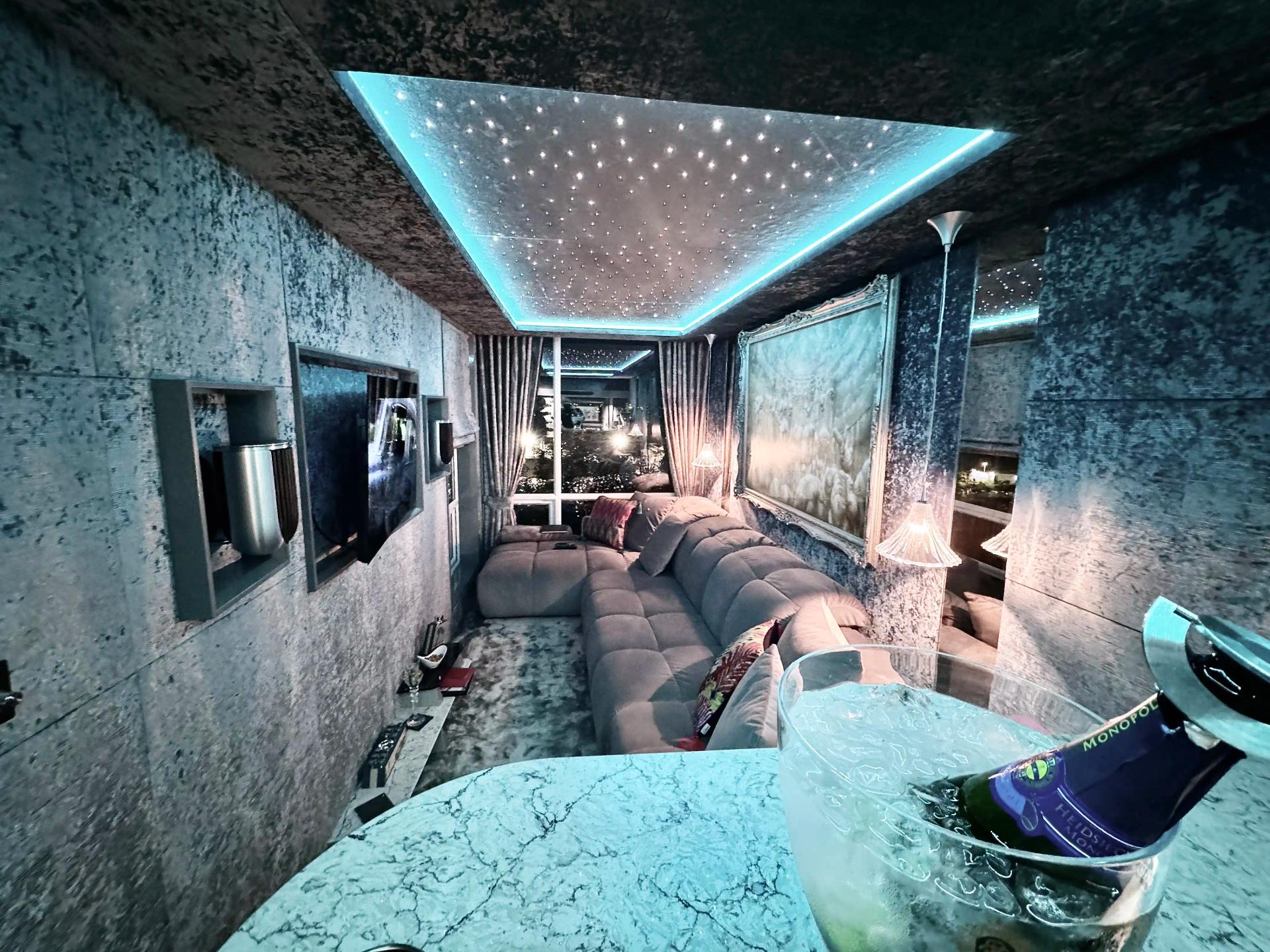


Descriptor
How ISOv8® supplies bespoke speciality container conversions and steel anti-vandal speciality buildings across the UK — aligning acoustic behaviour, environmental control, privacy, concentration quality and highly specific operational requirements.
Where This Page Sits in ISOv8®
Phase 3 — SEE focuses on understanding what well-considered shipping container conversions and steel anti-vandal buildings look like in practical commercial use across the UK.
P3.1.8 explores speciality operational environments supplied for acoustic control, concentration, confidentiality, media production and controlled occupancy applications. The purpose of this page is to help businesses understand how acoustic behaviour, environmental quality, psychological comfort, privacy and internal atmosphere directly influence operational performance within highly specialised environments.
Rather than treating these buildings as upgraded portable accommodation, this page focuses on how controlled environments perform once concentration quality, speech clarity, recording standards, environmental stability and prolonged occupancy become operationally critical.
Summary
Dynamic businesses increasingly recognise that some operational activities require substantially greater environmental control than conventional office accommodation can realistically provide.
As concentration demands, privacy expectations, acoustic sensitivity, media quality requirements and psychological comfort standards increase, businesses are increasingly exploring bespoke speciality environments designed around highly specific operational behaviour.
ISOv8® speciality container conversions and steel anti-vandal speciality buildings can be developed to create controlled internal environments where acoustic performance, sound isolation, concentration, privacy, environmental stability and internal atmosphere become central to the success of the environment itself.
These spaces may include podcast rooms, media production suites, confidential meeting environments, telehealth consultation spaces, acoustic interview rooms, concentration-focused workspaces, isolated phone booth environments, sensory reduction rooms, editing suites and highly controlled quiet environments where external interruption directly undermines operational effectiveness.
Unlike conventional portable accommodation that often prioritises basic functionality and lowest-cost specification, speciality environments require significantly higher levels of acoustic refinement, environmental coordination, internal control and psychological usability.
Many environments fail because they allow excessive noise transfer, uncontrolled reverberation, poor speech clarity, external interruption, distraction or psychologically uncomfortable surroundings. In environments requiring concentration, confidentiality, recording quality or acoustic precision, these shortcomings directly affect operational performance.
ISOv8® approaches these environments through specification-led design incorporating acoustic insulation systems, sound-reducing wall constructions, acoustic ceilings, specialist lighting layouts, sound-managed glazing systems, refined internal finishes and carefully coordinated environmental control strategies.
These measures are not simply aesthetic upgrades. They directly influence recording quality, speech clarity, privacy, concentration, cognitive comfort, user wellbeing and overall operational usability.
Container conversions can provide highly secure, structurally robust and architecturally distinctive environments where isolated occupancy, acoustic separation and visual individuality remain important. Steel anti-vandal speciality buildings become increasingly beneficial where wider layouts, larger collaborative environments, increased circulation or multi-room operational arrangements become operationally advantageous.
These environments are not always luxury for appearance alone. They are operational tools designed around highly specific environmental requirements where comfort, acoustic quality, privacy and psychological usability directly influence performance outcomes.
Businesses generally perform better when important operational environments are designed properly around the activity taking place within them.
Not simply additional rooms.
1. What Speciality Container Conversions & Acoustic Environments Are and How They Are Used in the UK
Speciality container conversions and steel anti-vandal speciality buildings occupy a highly specialised position within the UK shipping container conversion and portable accommodation sector.
Unlike conventional office accommodation or standard portable buildings, these environments are often developed around highly specific operational requirements where acoustic behaviour, concentration quality, privacy, environmental stability or media performance become critically important to the success of the space itself.
Businesses increasingly explore these environments for applications including podcast production, music recording, telehealth consultation, confidential discussion environments, concentration-focused workspaces, acoustic interview rooms, sensory reduction environments, isolated phone booth spaces, video editing suites and specialist media production environments.
These are not generic products with fixed layouts or universal specifications. Every speciality container conversion and steel anti-vandal speciality building supplied by ISOv8® is individually developed around intended operational behaviour, occupancy patterns, acoustic expectations, environmental sensitivity and customer specification.
The objective is not simply to provide another enclosed room.
The objective is to create a controlled environment properly aligned around the operational activity taking place within it.
2. Why Acoustic Control & Environmental Stability Influence Operational Performance
Many operational environments become substantially less effective because they allow excessive noise transfer, uncontrolled echo, poor speech clarity, environmental distraction or psychologically uncomfortable surroundings.
In practice, concentration-heavy operational environments often lose effectiveness when interruption, reverberation and environmental instability continuously interfere with workflow or communication quality.
Media production spaces may suffer from inconsistent recording quality and poor acoustic behaviour. Confidential meeting environments may struggle with privacy and speech containment. Concentration-focused workspaces can gradually become mentally fatiguing if surrounding noise and environmental discomfort remain uncontrolled throughout prolonged occupancy.
Businesses increasingly recognise that some operational activities simply cannot function effectively inside environments that were never designed around acoustic control, environmental isolation, concentration quality or prolonged controlled occupancy.
Environmental performance therefore increasingly becomes part of operational performance itself.
3. Container Conversions vs Steel Anti-Vandal Speciality Buildings
Container conversions can provide highly secure, structurally robust and architecturally distinctive environments for isolated speciality applications where acoustic separation, controlled occupancy and visual individuality remain important.
The inherent structural characteristics of shipping containers can often make them highly effective platforms for controlled acoustic environments, particularly where isolated single-room occupancy or tightly controlled operational use forms part of the requirement.
Steel anti-vandal speciality buildings generally become the stronger solution where increased internal width, larger collaborative environments, multi-room arrangements or greater internal flexibility become operationally beneficial.
The most suitable structural platform is rarely determined by appearance alone.
It is usually determined by intended operational behaviour, acoustic expectations, occupancy requirements, layout priorities and how the environment must ultimately function in prolonged daily use.
4. Acoustic Behaviour, Privacy & Environmental Isolation
A major focus throughout speciality environments is acoustic behaviour and environmental isolation.
Unlike standard portable accommodation that often prioritises basic functionality and lowest-cost specification, speciality environments require substantially higher levels of acoustic control, environmental refinement and coordinated internal performance.
These environments are often used specifically because outside noise, interruption, echo, distraction or lack of privacy directly undermine the operational activity taking place within the space.
ISOv8® approaches these environments through specification-led design including acoustic insulation systems, sound-reducing wall constructions, acoustic ceilings, specialist lighting arrangements, sound-managed glazing systems, refined internal finishes and professionally coordinated environmental detailing.
These measures are not aesthetic upgrades alone. They directly influence speech clarity, concentration, recording quality, cognitive comfort, confidentiality, user wellbeing and operational usability.
In many speciality environments, acoustic behaviour itself becomes one of the defining operational characteristics of the building.
5. Speciality Environments for Media Production, Concentration & Confidential Use
Speciality container conversions and steel anti-vandal speciality buildings can support a wide range of highly controlled operational environments.
Some businesses require acoustically controlled podcast production suites or media editing environments where sound quality and environmental consistency directly influence production standards. Others require confidential discussion rooms, isolated telehealth consultation environments or concentration-focused workspaces where privacy and reduced interruption become operationally important.
Businesses increasingly also explore quieter sensory reduction environments, isolated phone booth spaces and psychologically calmer working areas capable of supporting prolonged concentration and higher cognitive performance within otherwise busy operational environments.
The operational activity itself ultimately determines how the environment should be specified, configured and internally resolved.
6. Designing Bespoke Speciality Environments Around Operational Requirements
Every speciality container conversion and steel anti-vandal speciality building supplied by ISOv8® is individually developed around intended operational use and customer specification.
These environments are not treated as standard-format products with fixed layouts or universal design assumptions. Acoustic expectations, occupancy behaviour, privacy requirements, environmental sensitivity, workflow patterns and concentration demand all influence how the environment should ultimately be configured.
A podcast production suite may require very different acoustic treatment, lighting strategy and environmental control compared with a confidential executive discussion room or concentration-focused operational workspace.
Likewise, a telehealth consultation environment may place greater emphasis on speech clarity, privacy and psychological comfort than a collaborative editing environment.
The most successful speciality environments are usually those designed around genuine operational behaviour rather than assumption-led specification.
7. Key Specification Features Within Speciality Container Conversions
Specification requirements vary substantially depending on intended operational use.
Speciality environments may incorporate acoustic insulation systems, sound-reducing wall structures, acoustic ceilings, specialist lighting arrangements, controlled ventilation systems, sound-managed glazing systems, premium internal finishes and carefully coordinated environmental detailing designed around operational performance.
Some environments prioritise acoustic isolation and recording quality. Others place greater emphasis on confidentiality, concentration quality, privacy, cognitive comfort or visual atmosphere.
The objective is not simply increasing specification levels for appearance alone.
The objective is aligning environmental performance directly with operational requirement.
8. Common Mistakes When Buying Acoustic & Speciality Environments in the UK
One of the most common mistakes businesses make is assuming speciality environments can simply be improvised inside standard portable accommodation without properly considering acoustic behaviour or environmental usability.
In practice, uncontrolled reverberation, inadequate insulation, poor lighting quality, excessive noise transfer, weak speech privacy and psychologically uncomfortable surroundings can all undermine the operational purpose of the environment itself.
Another common mistake is focusing heavily on visual appearance while overlooking concentration quality, speech clarity, prolonged occupancy comfort, acoustic behaviour and environmental psychology.
Speciality environments are not always luxury purely for appearance.
They are often operational tools designed around acoustic control, environmental stability, concentration quality and highly specific operational performance.
9. How ISOv8® Supplies Bespoke Speciality Buildings Across the UK
ISOv8® supplies speciality container conversions and steel anti-vandal speciality buildings based around intended operational behaviour rather than fixed-format specification.
The process begins by understanding how the environment will genuinely function, how it will be occupied, what acoustic performance is required, what environmental behaviour is expected and what operational outcomes the space must ultimately support.
Only then are structural platform, acoustic specification, insulation strategy, lighting arrangements, glazing systems, ventilation design and internal finishes aligned properly around intended operational use.
The objective remains straightforward.
To create environments that genuinely support the activity taking place within them.
10. Frequently Asked Questions — Speciality Container Conversions UK
Can shipping containers be converted into acoustic or sound-controlled environments?
Yes. Shipping containers can provide highly effective structural platforms for bespoke acoustic and speciality environments when designed properly around intended operational use.
Are speciality container conversions supplied to standard specifications?
No. Every speciality container conversion and steel anti-vandal speciality building supplied by ISOv8® is individually developed around customer requirements and intended operational behaviour.
What types of businesses use speciality acoustic environments?
Applications may include podcast production, telehealth consultation, confidential meetings, media production, concentration-focused workspace, music production and other environments requiring increased acoustic control or environmental privacy.
Are steel anti-vandal speciality buildings better for larger environments?
In many cases, yes. Their increased internal width and layout flexibility often make them more suitable for collaborative occupancy, multi-room layouts and larger controlled environments.
Why does acoustic behaviour matter so heavily in speciality environments?
Because poor acoustic performance directly affects concentration, communication quality, recording standards, confidentiality, psychological comfort and overall operational usability.
11. Visit ISOv8® Speciality Container Conversions — Scunthorpe, North Lincolnshire
ISOv8® has container conversions and steel anti-vandal buildings available to view at the Scunthorpe depot, allowing businesses to assess build quality, acoustic specification potential, insulation standards, internal finishes and overall operational suitability in person.
This provides a practical opportunity to better understand how bespoke speciality environments can be developed around highly specific operational requirements before project specifications become commercially fixed.
Published: 12/09/2026
If you are considering commissioning a container office, workshop, storage unit or secure anti-vandal unit for site use and want clarity on structural suitability before specification is fixed, speak with ISOv8®. A short early discussion prevents disproportionate reinforcement and reactive redesign.
ISOv8® by ContainerKing® Limited Scunthorpe, North Lincolnshire
Tel: 01724 870000
Nationwide delivery across England, Scotland & Wales
Legal Disclaimer
The content provided in this document is for general information purposes only and is not intended to constitute legal, planning, building control, health and safety, or professional advice. Regulations and site-specific requirements vary widely across the UK. ISOv8® by ContainerKing® does not accept liability for actions taken, losses incurred, or decisions made based on the information provided. Always consult your local authority, planning department, building inspector, legal adviser, or relevant professional before starting any container project. Use of this document is entirely at your own risk. For more information, please see our Terms of Use.
Copyright Notice
© 2026 ISOv8® by ContainerKing®. All rights reserved. You are welcome to link to this page or share brief excerpts for commentary, review, or non-commercial purposes, provided proper credit is given to ISOv8® by ContainerKing®. No part of this document may be reproduced, distributed, or transmitted in full in any form or by any means without prior written permission from ISOv8® by ContainerKing®.